Long Covid's Silent Threat: Psychological Distress & Indian Healing
I remember a conversation I had with my best friend, Neha, during the second wave of Covid. She was barely out of isolation, still weak, but already back to her frantic work schedule. "Priya," she sighed, "I just feel... empty. Like a piece of me is missing. And I can't shake this constant dread, yaar. Is this normal?" At the time, we chalked it up to post-viral fatigue, the general anxiety plaguing everyone, and the sheer mental exhaustion of surviving a pandemic. We focused on getting her immunity up, eating well, and trying to sleep more.
But Neha's 'empty' feeling, her lingering dread, slowly morphed into something more. Persistent brain fog, extreme fatigue even after a full night's rest, inexplicable body aches, and a kind of mental sluggishness that made her brilliant, quick mind feel like wading through mud. She was one of the many, many Indians who found themselves grappling with what we now know as Long Covid, or Post-Covid Conditions. For months, she battled doctors who often just prescribed more rest or basic painkillers. It was frustrating, heartbreaking, and, sach mein, incredibly isolating for her.
Fast forward to today, and the conversation around Long Covid has taken a truly important turn. We're finally talking about something I've believed in for years through my work in yoga and Ayurveda: the profound, undeniable link between our mental state and our physical health. A recent 'Corona Letter' article caught my eye, highlighting a important point: psychological distress is a big risk factor for Long Covid. This isn't just about feeling low *because* you have Long Covid. This is about psychological distress actively contributing to *developing* it, or making its symptoms worse and more enduring. And honestly, it’s about time we paid attention.
For too long, especially in a country like India where mental health stigma still runs deep, we've separated the mind from the body. We treat a fever with medicine, but tell someone struggling with anxiety to "just relax." But what if that anxiety, that chronic stress, that unresolved trauma from the pandemic itself, is making us more vulnerable to a prolonged post-viral nightmare? What if our emotional landscape is literally shaping our recovery, or lack thereof? It’s a powerful thought, isn't it? One that demands we look beyond just the physical symptoms and embrace a truly holistic approach to healing.
The Unseen Enemy: Why Our Minds Matter More Than We Thought in Long Covid
Let's get real for a moment. The pandemic hit us like a tsunami. Fear of infection, fear for loved ones, economic uncertainty, isolation, grief, the constant barrage of alarming news. our collective nervous system was on overdrive for months, even years. This wasn't just 'a little stress'; it was a sustained period of trauma and psychological distress that permeated every aspect of our lives. Many of us, myself included, felt like we were walking on eggshells, constantly bracing for the next blow.
Now, emerging research is showing us something profound. Studies are indicating that people who experienced significant psychological distress during their acute Covid-19 infection or in the period immediately following, were at a higher risk of developing persistent Long Covid symptoms. For instance, a major study published in JAMA Psychiatry in 2023 found that factors like anxiety, depression, and perceived stress during the initial Covid infection were associated with a significantly increased risk of developing Long Covid. This isn't just correlation; there's a growing understanding of the biological mechanisms at play. Chronic stress and psychological distress can dysregulate our immune system, increase inflammation, and affect our autonomic nervous system, all of which are implicated in the pathophysiology of Long Covid.
Think about it. When you're constantly stressed, your body is in a 'fight or flight' mode. Cortisol levels are high, your heart rate is elevated, digestion slows down, and your immune system, while initially on high alert, can become exhausted and less effective over time. If you then contract a virus like SARS-CoV-2, your body is already starting the race from a disadvantaged position. It’s like trying to run a marathon after weeks of sleepless nights and constant worry. Your reserves are already depleted, making you more susceptible to a prolonged inflammatory response and a tougher recovery.
For those of us who believe in the ancient wisdom of Ayurveda, this connection isn't surprising at all. Ayurveda has always emphasized the inseparable link between Manas (mind) and Sharira (body). A disturbed Manas, through conditions like worry ( चिंता, chinta) or fear ( भय, bhaya), directly impacts the body's doshas and agni (digestive fire), leading to a cascade of imbalances that manifest as physical ailments. So, when Western medicine finally catches up and says, "Hey, your mind really does affect your physical recovery," I just nod and think, "Bas, we knew this, didn't we?"
My Own Brush with the Covid Blues: It Wasn't Just About the Cough, Yaar
I remember when I got Covid during the first wave. It wasn't severe enough to need hospitalization, thankfully, but it was a deeply unsettling experience. The physical symptoms were flu-like, annoying, but manageable. What really got to me was the isolation, the fear of unknowingly passing it on, and the sheer uncertainty. Every cough, every ache, every moment of fatigue felt amplified by a persistent, nagging anxiety. "Will I recover fully? Will my lungs ever be the same? What if I get sicker?" These thoughts were constant companions.
Even after my physical symptoms subsided, a low-grade hum of anxiety lingered. I found myself checking my oxygen levels obsessively, overthinking every minor sniffle. My sleep was disturbed, and I felt a general malaise that wasn't quite depression but definitely wasn't my usual energetic self. My yoga practice, which is usually my anchor, felt like a chore some days. I had to force myself onto the mat, and even then, my mind would wander to dark places.
It was during this time that I leaned heavily into my Ayurvedic practices. I wasn't just taking chyawanprash for immunity; I was consciously working on my nervous system. I started a daily practice of Nadi Shodhana pranayama, even for just 10 minutes, to calm my mind. I swapped my evening chai for a warm glass of ashwagandha milk. I made sure to spend time in my small Hyderabad balcony garden, just watching the bougainvillea, letting the sun warm my face. These weren't 'cures' for Covid, but they were important in managing the psychological distress that, looking back, could have easily spiraled into something more chronic. It taught me firsthand that recovery isn't just about fighting a virus; it's about nurturing your entire being, especially your mind.
And let me tell you, that experience also reinforced my belief in the power of simplifying things that add unnecessary stress. If you run a small business in India and still don't have a proper website, this tool makes it embarrassingly easy and I've seen people go from zero to live in one afternoon. Why add 'figure out web design' to your already overloaded plate when you're trying to heal or just get through the day?
Beyond the Pills: Reclaiming Our Inner Balance with Ancient Wisdom
So, if psychological distress is a risk factor, what do we do about it? The answer, for me, lies in a blend of modern understanding and timeless Indian wisdom. We can't just wish away anxiety or stress. We need proactive, intentional strategies to build mental resilience and support our nervous systems, especially if we're recovering from an illness or want to prevent its lingering effects.
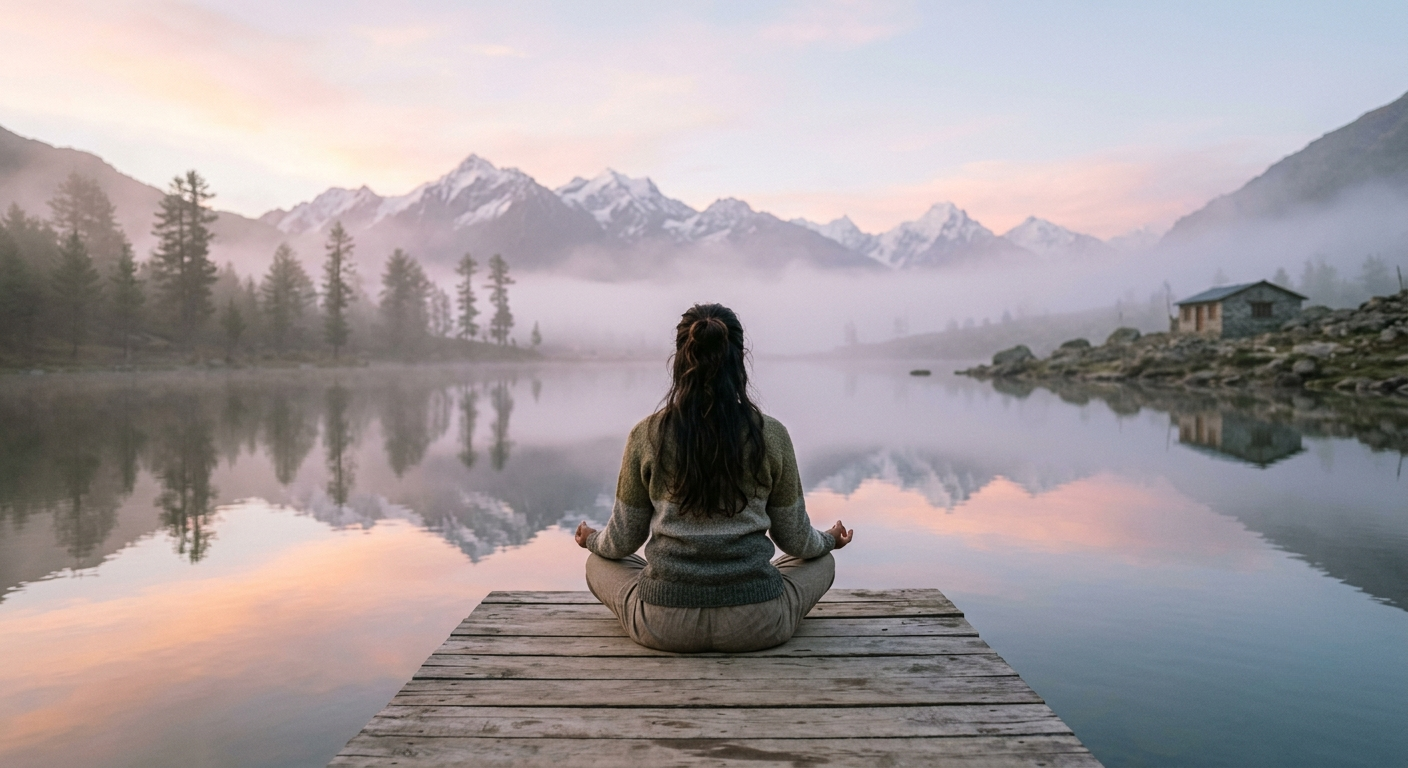
Yoga and Pranayama: Your Daily Dose of Calm. This isn't just about stretching, friends. Yoga asanas, combined with conscious breathing techniques (pranayama), directly impact the vagus nerve, which plays a key role in regulating our stress response. Practices like Ujjayi (victorious breath), Anulom Vilom (alternate nostril breathing), and Bhramari (humming bee breath) are incredibly powerful tools for calming the mind, reducing cortisol, and promoting a state of deep relaxation. Even 15-20 minutes daily can make a world of difference. It's not just woo-woo; it's physiological alchemy. Are we truly tapping into this incredible resource that's been right here, in our own culture, for millennia?
Ayurveda: Tailoring Wellness to Your Unique Self. Ayurveda offers a personalized approach to managing distress. It recognizes that stress manifests differently in different body types (doshas). For a Vata-dominant person, anxiety might present as racing thoughts and insomnia, requiring grounding practices and warm, nourishing foods. For a Pitta individual, it could be irritability and inflammation, benefiting from cooling herbs and calming routines. Herbs like Ashwagandha (Withania somnifera), Brahmi (Bacopa monnieri), and Jatamansi are renowned adaptogens and nervine tonics that help the body adapt to stress and support neurological health. Consult an Ayurvedic practitioner to understand what's best for your unique constitution. This isn't a one-size-fits-all solution, and that's its beauty.
Mindfulness and Meditation: Anchoring Yourself in the Present. In a world that constantly pulls us into the past (regret) or future (worry), mindfulness brings us back to the only moment we truly have: now. Simple meditation practices, even just focusing on your breath for five minutes, can train your mind to observe thoughts without getting entangled in them. This creates a mental buffer against overwhelming psychological distress. It's not about emptying your mind; it's about changing your relationship with your thoughts. This mental training can be a powerful shield against the kind of chronic rumination that fuels conditions like Long Covid. For more on how intense mental pressure can affect us, you might find my earlier post, "NEET Pressure: When Dreams Become Despair in India," quite relevant. The underlying mechanisms of stress are universal, even if the triggers differ.
Simple Nuskhe for a Stressed Mind: Hyderabad's Own Remedies
Beyond structured practices, our Indian homes are treasure troves of simple remedies that have traditionally supported mental well-being. These aren't just old wives' tales; many have scientific backing or are simply common-sense ways to create a more nurturing environment for our minds.
- Haldi Doodh (Turmeric Milk): My grandmother swore by it for everything, and she wasn't wrong. Turmeric is a powerful anti-inflammatory and antioxidant. A warm glass of milk with a pinch of turmeric, black pepper, and maybe a touch of nutmeg before bed can promote restful sleep and reduce systemic inflammation, both key for mental and physical recovery.
- Chamomile and Tulsi Tea: Instead of reaching for that third cup of coffee, try a calming herbal tea. Chamomile is known for its mild sedative properties, while Tulsi (Holy Basil) is a revered adaptogen in Ayurveda, helping the body manage stress. They both offer a gentle way to unwind and reduce anxiety without any side effects.
- Abhyanga (Self-Oil Massage): A daily ritual of massaging your body with warm sesame or coconut oil before a bath is incredibly grounding and nourishing for the nervous system. The gentle touch and warmth promote relaxation and improve circulation. It’s a simple act of self-care that tells your body, "I'm here for you."
- Connecting with Nature: Hyderabad, with its beautiful parks and lakes, offers ample opportunities. Even a short walk in KBR Park or a quiet moment by Hussain Sagar can be incredibly restorative. Green spaces have been proven to reduce stress hormones and improve mood. We often underestimate the healing power of just being present in nature.
- Social Connection (the right kind): While isolation was necessary during the pandemic, prolonged loneliness is a major contributor to psychological distress. Reconnect safely with friends and family who uplift you. A good laugh, a heartfelt conversation, or even just sharing a meal can be powerful medicine.
These 'nuskhe' aren't magic bullets, but they are consistent, gentle ways to build a foundation of mental and physical resilience. They are about creating a lifestyle that supports your nervous system, rather than constantly battling against it.
Building Resilience, One Breath at a Time: A Long-Term Prescription
The lessons from Long Covid, particularly the role of psychological distress, are profound. They force us to confront the reality that our well-being is not compartmentalized. Our minds and bodies are in a constant, intricate dance. Ignoring one means neglecting the other, often at our own peril. We can't just pop a pill and expect our deeper anxieties to vanish, especially when those anxieties have been running rampant for months or years.
Moving forward, as a society and as individuals, we need to shift our paradigm. We must prioritize mental health not as an afterthought, but as a foundational pillar of overall health. This means fostering environments that reduce chronic stress, providing accessible mental health resources, and empowering individuals with tools for self-care and resilience. It means listening to our bodies, acknowledging our emotional struggles, and giving ourselves the grace and space to heal, not just from a physical illness, but from the invisible wounds of a global crisis.
Long Covid might be a relatively new phenomenon, but the wisdom to combat its psychological roots has been with us for ages. It's time we rediscovered it, embraced it, and integrated it into our lives. Our health, our recovery, and our future well-being might just depend on it. So, let's take a deep breath, Hyderabad. Let's remember our strength, our traditions, and the incredible power of our own minds to heal. It's not just about surviving; it's about thriving, even after the storm.